Replacing your roof is a major home improvement decision, one that impacts your property’s safety, value, and long-term durability. Whether your current roof is nearing the end of its life or you’ve noticed extensive damage after a storm, a new roof installation is an investment that deserves careful planning and preparation.
Understanding the process helps ease stress and ensures you’re well-prepared when it’s time to get started. This step-by-step guide will walk you through what to expect during a residential roofing project and how to choose the right partner for the job.
Step 1: Evaluate Your Roof’s Condition
The first step is to determine whether a new installation is necessary. Common signs include:
- Shingles that are curling, cracked, or missing
- Visible sagging or drooping in the roofline
- Water leaks or moisture spots in the attic
- Dark streaks, algae growth, or moss
- Roof age exceeding 20–25 years (for asphalt shingles)
A professional roofing inspection can give you a clear picture of your roof’s condition and help you understand if repairs are sufficient or if full replacement is the better option.
Step 2: Choose the Right Roofing Materials
There are several material options available, each with its own pros and cons. When selecting materials, consider your climate, budget, and aesthetic preferences. Some of the most popular choices include:
- Asphalt shingles – Cost-effective and widely used
- Metal roofing – Durable and energy-efficient
- Tile roofing – Long-lasting with a distinct appearance
- Wood shakes – Classic look with natural insulation
- Slate roofing – Elegant and extremely durable
Talk to your roofing contractor about which option best suits your home’s needs and local weather conditions.
Step 3: Get a Detailed Estimate
Once you’ve selected your roofing materials, the next step is to obtain a detailed written estimate. A good estimate will include:
- Scope of work (tear-off, installation, cleanup)
- Type and quantity of materials
- Labor and disposal fees
- Timeline for project completion • Warranty terms (materials and labor)
This step ensures transparency and allows you to compare bids if you’re speaking with multiple contractors.
Step 4: Prepare Your Home for Installation Day
Proper preparation can help the installation process go more smoothly and safely. Here are some homeowner-friendly tips:
- Move vehicles away from the driveway or garage to avoid damage
- Remove wall decorations and fragile items inside your home
- Cover valuables in the attic to protect them from falling debris
- Inform your neighbors about the upcoming work
Expect noise, vibrations, and some dust, but your roofing team should keep the work area clean and organized.
Step 5: Roof Removal and Deck Inspection
On installation day, the first thing your contractor will do is remove the old roofing materials. This step includes tearing off the existing shingles, underlayment, and flashing.
Once removed, the decking underneath is inspected. If any wood is rotted or damaged, it will be replaced to ensure the new roof has a solid foundation.
Step 6: Installing the New Roof System
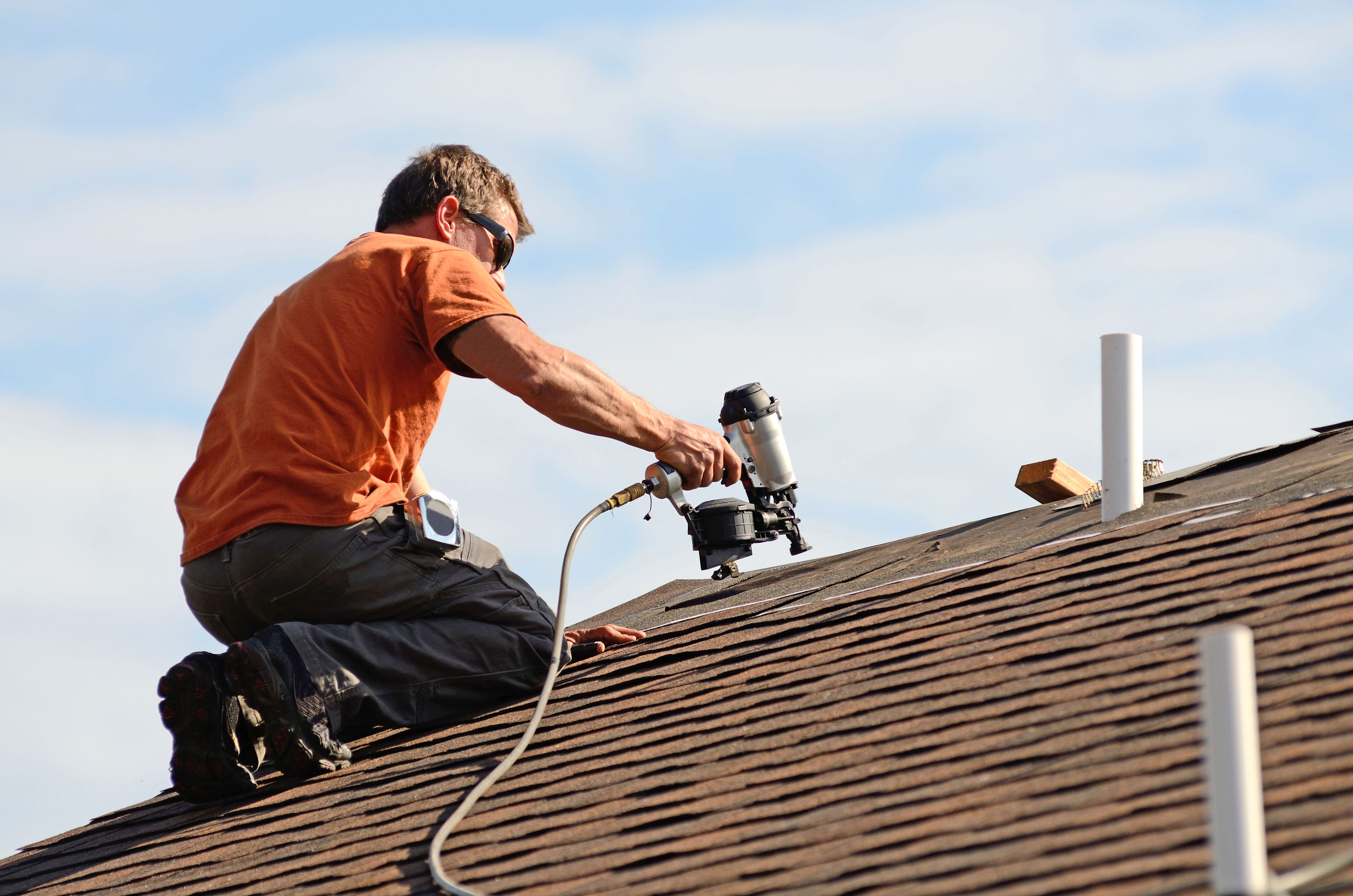
After the inspection and repairs are complete, your roofing team will begin installing the new system. This process typically involves:
- Installing a drip edge for water control
- Laying down underlayment to serve as a moisture barrier
- Applying starter shingles to reinforce the roof edge
- Installing roofing shingles or panels according to your selected material
- Flashing and sealing vulnerable areas such as chimneys, skylights, and vents
- Ridge cap installation and final ventilation work
This phase is the heart of the new roof installation, and a quality contractor will ensure every layer is properly aligned and sealed.
Step 7: Final Cleanup and Inspection
Once the roofing system is installed, your contractor should perform a thorough cleanup of the job site. This includes:
- Removing leftover materials and debris
- Sweeping the yard with a magnetic roller to pick up nails
- Inspecting gutters and downspouts for obstructions
Before closing out the job, a final inspection is done to ensure the roof meets all installation standards and adheres to warranty requirements.
Step 8: Registering Warranties and Ongoing Maintenance
After your new roof is installed, make sure you register any applicable manufacturer warranties. This protects your investment and makes future claims easier should a defect arise.
Additionally, commit to routine maintenance, such as:
- Cleaning gutters seasonally
- Removing debris after storms
- Scheduling periodic inspections
With proper care, your new roof can last 20 years or more, depending on the materials used.
Choosing the Right Roofing Partner
A successful residential roofing project relies on the quality and integrity of the contractor you choose. Look for a licensed, insured, and experienced team that provides clear communication, quality workmanship, and dependable warranties.
Working with a trusted company like Valley Roofing & Repair ensures you’re getting not only a durable roofing system but also a smooth and stress-free experience from start to finish.
Final Thoughts
A new roof installation is a major milestone in homeownership. When done correctly, it adds value, enhances curb appeal, and protects your home for decades. By understanding the steps involved and working with an experienced team, you can feel confident that your investment is well-placed.
Whether you’re replacing an aging roof or addressing damage from recent weather events, the process doesn’t have to be overwhelming. The right planning and the right partner make all the difference.