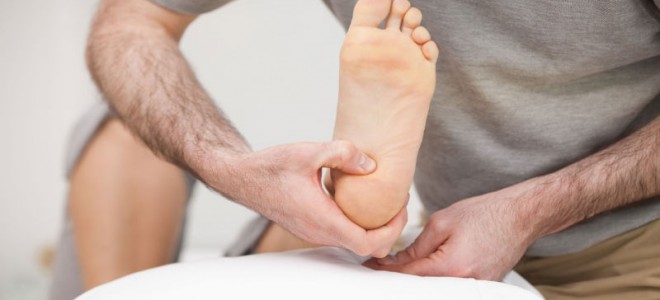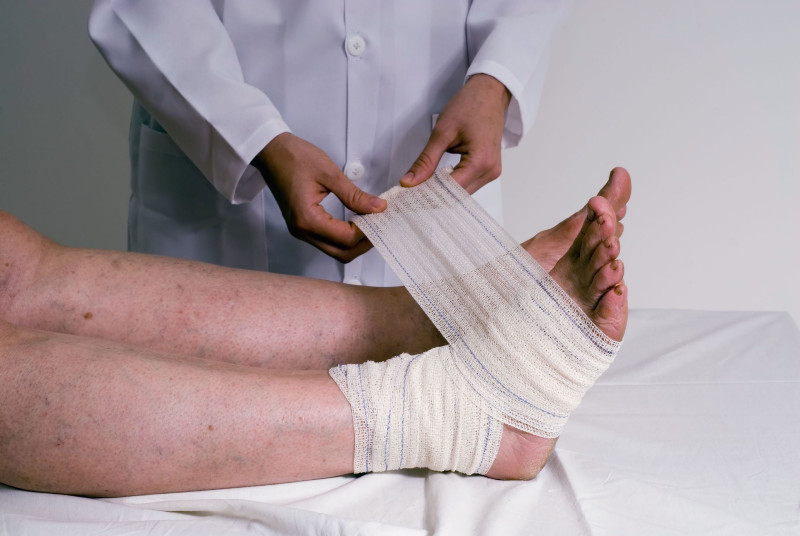
• Heel pain in Fulshear is most often linked to plantar fasciitis, heel spurs, or Achilles tendon irritation, and responds well to conservative podiatric care when addressed early.
• Treatment typically progresses from rest, stretching, and footwear changes to orthotics, physical therapy, or injections if symptoms persist.
• A podiatric evaluation helps identify the exact cause before starting any treatment plan.
Heel pain that lingers for more than a few days, especially first thing in the morning, usually points to an underlying issue with the plantar fascia, heel bone, or surrounding tendons rather than a simple bruise. The right starting point is an accurate diagnosis, since treatment approaches differ depending on whether the pain stems from inflammation, a structural spur, or tendon strain.
Residents searching for Heel Pain Treatment Fulshear TX are typically dealing with persistent discomfort that has not resolved with rest or over-the-counter remedies alone. At this stage, a podiatric evaluation becomes useful for ruling out fractures, nerve involvement, or tendon damage that generic advice cannot address. Local practices such as Fulshear Foot and Ankle focus specifically on diagnosing and managing these conditions through conservative, stepwise care.
Common Causes Behind Persistent Heel Pain
Heel pain rarely has a single cause, which is why clinical evaluation matters before starting treatment. Several conditions share overlapping symptoms but require different management strategies.
• Plantar fasciitis: inflammation of the tissue band connecting the heel to the toes, often causing sharp pain with the first steps of the day.
• Heel spurs: bony growths that can develop alongside plantar fasciitis, sometimes contributing to ongoing pressure on soft tissue.
• Achilles tendinitis: irritation of the tendon at the back of the heel, frequently tied to overuse or tight calf muscles.
• Stress fractures or nerve compression: less common, but possible when pain does not respond to standard conservative measures.
According to the American Academy of Orthopaedic Surgeons, plantar fasciitis is one of the most frequent causes of heel pain and often improves with nonsurgical treatment over several months. This timeline underscores why early intervention and consistent follow-through matter more than quick fixes.
How Heel Pain Is Typically Diagnosed
A proper diagnosis starts with a physical exam and a review of symptom patterns, activity history, and footwear habits. Imaging such as X-rays may be used to check for spurs, fractures, or alignment issues that are not visible externally.
Clinicians also assess gait and foot structure, since biomechanical factors like flat feet or high arches can place extra strain on the plantar fascia. Identifying these contributing factors helps shape a treatment plan that addresses the root cause rather than just the symptom.
Treatment Options Compared
Most heel pain responds to conservative, non-surgical care, especially when started early. The table below outlines common approaches and what they generally involve.
|
Treatment Approach |
What It Involves |
Best Suited For |
|
Rest and activity modification |
Reducing high-impact activity, icing, and stretching |
Mild, early-stage symptoms |
|
Custom or over-the-counter orthotics |
Supportive inserts to redistribute pressure |
Structural issues like flat feet or spurs |
|
Physical therapy |
Targeted stretching and strengthening exercises |
Tight calf muscles or tendon involvement |
|
Corticosteroid injections |
Anti-inflammatory injections for persistent cases |
Pain unresponsive to initial conservative steps |
Each option builds on the last, meaning most patients start with the least invasive measures before moving toward more targeted interventions. A podiatrist can determine when it makes sense to progress between these stages based on how symptoms evolve.
When to Seek Professional Evaluation
Not every case of heel pain requires a specialist visit right away, but certain signs suggest it is time to get evaluated rather than wait it out.
1. Pain persists beyond one to two weeks despite rest and stretching.
2. Discomfort is sharpest with the first steps in the morning or after sitting.
3. Swelling, bruising, or numbness accompanies the heel pain.
4. Over-the-counter supports or shoe changes have not reduced symptoms.
Fulshear Foot and Ankle evaluates these patterns to determine whether the issue is soft tissue inflammation, a structural spur, or something requiring a different treatment path. Catching the cause early generally shortens the overall recovery timeline.
Frequently Asked Questions
How long does plantar fasciitis take to heal? Recovery timelines vary, but many cases improve within several months with consistent conservative treatment such as stretching, supportive footwear, and activity adjustments.
Can heel spurs go away without treatment? Heel spurs themselves are bony growths that do not typically disappear, but the pain associated with them can improve once the underlying inflammation is addressed.
Is heel pain always caused by plantar fasciitis? No. While plantar fasciitis is common, heel pain can also stem from Achilles tendinitis, stress fractures, or nerve-related issues, which is why a professional evaluation matters.
When should I stop home remedies and see a specialist? If pain continues beyond two weeks or worsens despite rest, icing, and stretching, it is a reasonable point to seek a podiatric evaluation rather than continuing self-treatment alone.
Heel pain that interferes with daily movement deserves a clear diagnosis rather than guesswork. For residents in the area dealing with ongoing discomfort, Fulshear Foot and Ankle offers evaluation and conservative treatment options tailored to the specific cause behind the pain.