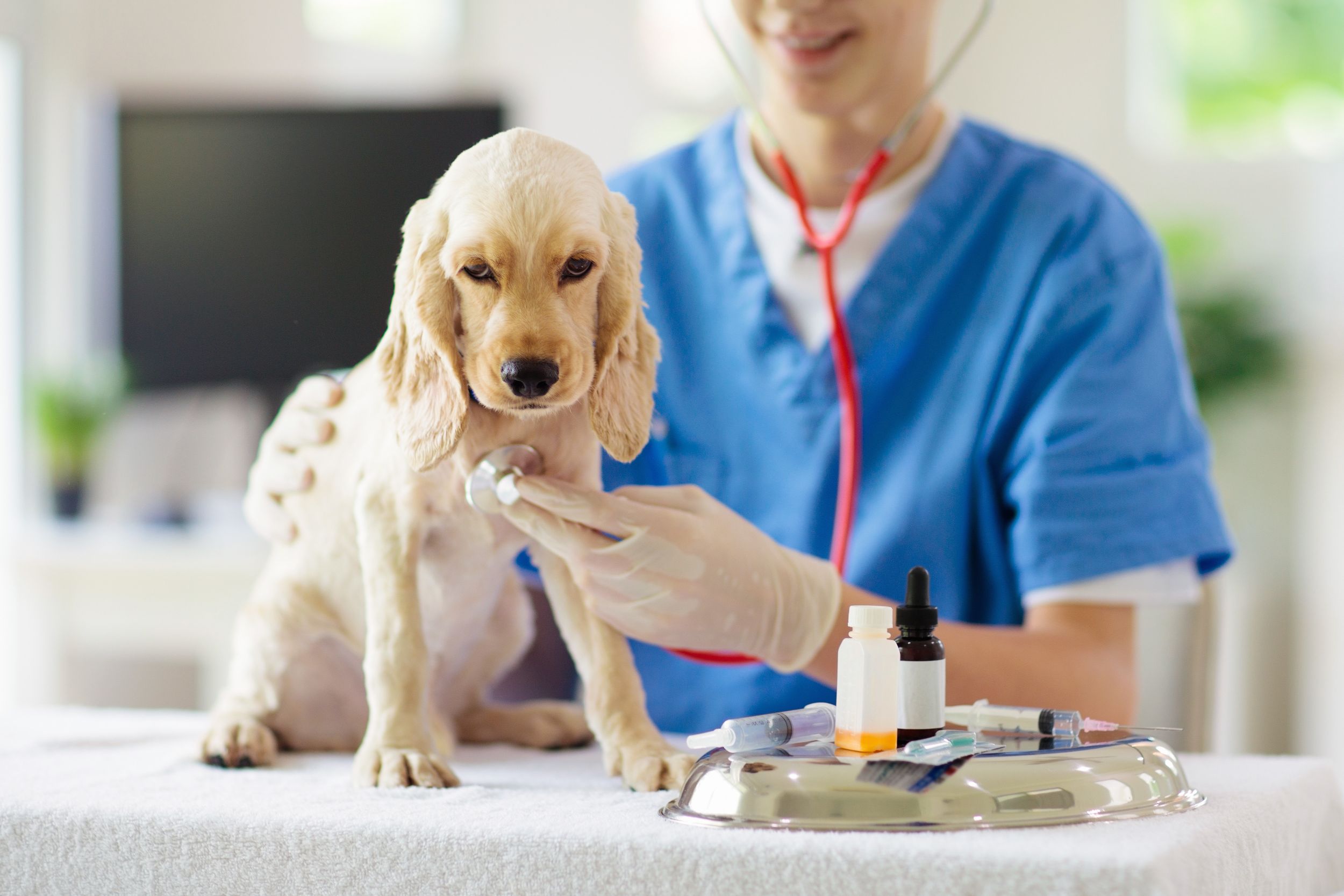
• Cats are considered senior at age 10 and benefit from veterinary exams every six months to catch age-related conditions early.
• South Indianapolis owners have access to full-service feline care, including diagnostics, dental services, and chronic disease management.
• Partnering with a knowledgeable local vet is one of the most effective ways to extend a senior cat’s quality of life.
If you are searching for a cat vet Indianapolis IN, the most important step you can take is scheduling regular wellness visits before obvious symptoms appear. Senior cats are skilled at masking illness, making proactive veterinary care essential.
According to the American Association of Feline Practitioners (AAFP), cats over 10 years of age are considered senior, and understanding the changing needs of each individual senior cat is critical for both veterinary professionals and cat owners. That threshold arrives faster than most owners expect, which is why building a relationship with a trusted local clinic early pays dividends later.
What Changes When a Cat Becomes a Senior
Aging cats do not simply slow down. Their internal systems shift in ways that require a different approach to monitoring and care.
Senior cats are prone to age-related illnesses such as kidney disease, diabetes, arthritis, and heart disease, which often develop gradually and require close monitoring and regular veterinary care.
Three conditions stand out as especially common:
• Chronic kidney disease (CKD): Kidney disease is one of the most common diseases in cats, and the chances of it occurring increase as the cat gets older. Early detection and treatment are key to providing the best chance for cats to live longer with a better quality of life.
• Hyperthyroidism: About 10 percent of cats 10 years of age or older develop hyperthyroidism. If left untreated, the disease can eventually lead to complications such as heart disease and, rarely, high blood pressure.
• Arthritis: Reduced mobility, reluctance to use stairs, and litter box avoidance are among the most recognizable signs.
Senior cats often hide signs of illness; veterinary exams every six months are recommended for senior cats. Catching a problem at stage one rather than stage three makes a measurable difference in both treatment options and long-term outcomes.
How Often Should a Senior Cat See the Vet?
Visit frequency should increase as a cat ages, not stay flat. The AAFP Senior Care Guidelines provide a clear framework:
| Cat’s Age | Recommended Exam Frequency |
| Under 10 years (adult) | At minimum, annually |
| 10 to 15 years (senior) | Every six months |
| Over 15 years (geriatric) | Every four months |
| Any age with chronic illness | As directed by the veterinarian |
The guidelines address the importance of regular veterinary visits, which includes a minimum of every six months for senior cats 10 to 15 years old. Healthy senior cats over the age of 15 should be examined every four months. Cats with chronic health issues may need to be seen even more frequently depending on the severity of illness.
Each exam at this stage should go beyond a basic physical. Senior comprehensive exams should include annual or biannual baseline bloodwork and urine screens in order to catch some of the more common medical changes as quickly as possible. Blood pressure measurement and thyroid panels are also standard components of a thorough senior workup.
What to Expect From a Senior Cat Wellness Visit
A well-structured senior visit covers more ground than a routine annual checkup. Here is what a complete exam typically includes:
• Full physical assessment of all major body systems
• Bloodwork and urinalysis to screen for kidney, liver, and thyroid function
• Blood pressure measurement, particularly relevant given the link between hypertension and kidney disease
• Dental evaluation, since oral disease is common in older cats and can affect systemic health
• Weight and nutrition review, with dietary adjustments as needed
• Pain assessment for mobility and joint health
Routine wellness visits allow doctors to catch potential health issues early, improving outcomes and reducing the costs of treating advanced illnesses. For owners, this also means fewer emergency visits and a clearer picture of what is normal for their individual cat.
With state-of-the-art laboratory equipment, on-site diagnostics allow for quick and accurate results. The hospital also features clean, spacious exam rooms and an on-site pharmacy for added convenience.
Finding the Right Cat Vet in Indianapolis
Not every clinic is equally equipped to handle the complexity of senior feline medicine. When evaluating options, consider these factors:
• In-house laboratory for same-day bloodwork results
• On-site pharmacy for immediate prescription access
• Experience managing chronic conditions like CKD and hyperthyroidism
• A low-stress environment for cats that are anxious during travel
A dedicated and experienced team passionate about helping every patient enjoy a long, healthy, and happy life, combined with a priority on building strong relationships with clients and their pets, defines the standard worth seeking.
Noah’s Stop 11 Animal Hospital is located at 4625 E Stop 11 Rd in south Indianapolis and provides wellness, dental, diagnostic, and surgical services for cats at every life stage.
Frequently Asked Questions
At what age is a cat considered senior? As defined in the 2021 AAHA/AAFP Feline Life Stage Guidelines, cats over 10 years of age are considered senior.
What are the warning signs that a senior cat needs a vet visit? Weight loss, appetite changes, and behavior shifts are red flags; contact your vet if you notice any of these signs. Increased thirst, changes in litter box habits, and reduced activity also warrant prompt attention.
Can senior cat conditions be managed long-term? Yes. With veterinary care, most cats respond well to treatment and go on to live for many more years. Conditions like CKD and hyperthyroidism are not curable in most cases, but they are manageable with consistent monitoring and the right treatment plan.
How do I prepare my cat for a vet visit? Use a secure, familiar carrier and place it in the home several days before the appointment so your cat can acclimate. Keep the car ride calm and avoid feeding a large meal immediately beforehand to reduce travel stress.
Caring for a senior cat requires more than good intentions. It takes a consistent partnership with a veterinary team that understands feline aging and can act quickly when bloodwork or an exam reveals a change. Scheduling twice-yearly visits, watching for subtle behavioral shifts at home, and staying current on diagnostics are the practical steps that make the biggest difference in how well an older cat ages.